• Skip to secondary menu
  • Skip to main content
  • Skip to primary sidebar

Eat Out Eat Well

  • Home
  • About
  • Eats and More® Store
  • Books
  • Contact

Manage Your Weight

Did You Forget These Calories?

January 18, 2013 By Penny Klatell, PhD, RN Leave a Comment

Are you keeping a record – virtual, written, or in your noggin – of how may calories you’re eating?

Even if you’re not (and some people find it very hard to do – actually loathe doing it) you probably take note of what you eat each day – at least most of what you eat.  But, all of us have things that we eat, and consequently calories we take in, that easily slip being added to our mental or written calorie ledger sheet. The reasons for the oversight vary but either:

  • we truly forget
  • we find keeping track of them to be an onerous task
  • we don’t want to address the fact that we ate what we did.

Calories That Are Way Too Easy to Forget

There are some kinds of calories that are particularly easy to forget.  Here’s some ideas – perhaps you’d like to take the opportunity to think about the mindless, sneaky calories in your life.

It’s easy to forget to include the calories in:

  • the candy bar you buy at the gas station and eat it in the car
  • the 3 tootsie rolls you snagged from the receptionist’s desk
  • the couple of samples of cheesecake at Costco
  • the crusts of the grilled cheese sandwich or the ends of the pizza that you finished from your child’s plate
  • the cookie batter you tasted and the dough you licked from the bowl and beaters
  • the leftovers you polished off because there was too small an amount to save
  • the  extra hors d’oeuvre you mindlessly popped into your mouth
  • the ice cream you licked from your child’s ice cream cone to prevent it from falling on the street
  • the peanuts and goldfish you nibbled on at the bar
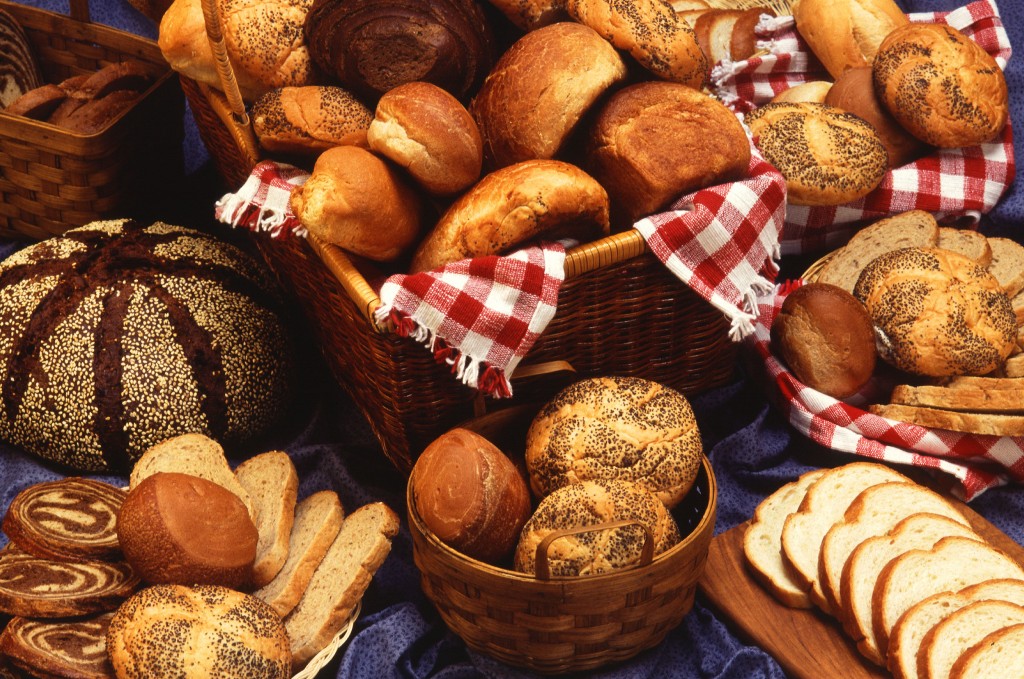
  • the bread you practically inhaled from the breadbasket
  • the glass of juice from the fridge in the snack room
  • the extra coffee and cream in your tea and coffee
  • the extra wine in your glass that is half again the size of a “regular” portion
  • those “I’ll just have half a cookie” moments

How many more can you add?

This article is part of the 30 day series of blog posts called: 30 Easy Tips for Looser Pants and Excellent Energy.

Filed Under: Calorie Tips, Healthy Eating, Food Facts, Eating on the Job, Manage Your Weight, Snacking, Noshing, Tasting Tagged With: calories, food journal, hidden calories, weight management

Is Your Coffee Or Tea Giving You A Muffin Top?

January 17, 2013 By Penny Klatell, PhD, RN Leave a Comment

Morning coffee.  Coffee break.  Afternoon tea.  A nice cup after dinner. Many of us love – need – our coffee or tea.  Hot, cold, it doesn’t always matter.

But, as you dump sugar and pour cream into mugs, thermoses, and those too hot to touch cardboard take-out containers, have you ever thought about how many calories you’re actually adding to an otherwise very low calorie drink? Probably not. They’re calories not usually measured and all to easy to forget.

What Do You Put Into Your Coffee Or Tea?

How much milk or half and half do you add to your coffee or tea? How much sugar? Bet you don’t have a clue.  We all do a freehand pour.  Try measuring how much you pour and you might be really surprised.

Here’s The Facts

Black brewed coffee and tea both have around two calories in an eight ounce cup. Not a bad deal.

Here’s the potential trouble:

  • Heavy cream, 1tbs:  52 calories
  • Half-and-half, 1 tbs:  20 calories
  • Whole milk, 1 tbs:  9 calories
  • 2% (low fat) milk; 1 tbs:  7 calories
  • Non-fat milk, 1tbs:  5 calories
  • Table sugar, 1tbs:  49 calories; 1tsp:  16 calories

Wow – It Can Add Up

Say you have three grande (Starbuck’s) – or large (Dunkin Donuts) – size coffees a day.  Each is 20 ounces or 2.5 times the size of a traditional 8 ounce cup.

If you add 4 tablespoons of half and half and three teaspoons of sugar to each — which sounds like a lot but is very east to do — that’s:

  • 128 calories for what you add and around 5 calories for the coffee for a total of 133 calories for each grande/large cup of coffee
  • If you have three of those that’s 399 calories a day
  • Do that every day for a year and that’s the equivalent of 145,635 calories a year.

Of course not everyone will drink this amount of coffee with this amount of half and half and sugar.  But, it does make you stop and think about how many calories you really are putting into your coffee.

In Case You’re Tempted By Something More

Here’s the nutritional information for some other Starbuck’s and Dunkin’ Donuts drinks:

  • Starbuck’s Caffe Latte, grande (16 oz), 2% milk:  190 calories; 7g fat; 18g carbs; 12g protein
  • Starbuck’s Cappuchino, grande (16 oz), 2% milk:  120 calories; 4g fat; 12g carbs; 8g protein
  • Starbuck’s Peppermint White Chocolate Mocha, grande (16oz), 2% milk, no whipped cream:  440 calories; 10g fat; 75g carbs; 13g protein
  • Starbuck’s Gingerbread Latte, grande (16 oz), 2% milk:  250 calories; 6g fat; 37g carbs; 11g protein
  • Starbuck’s Hot Chocolate, grande (16 oz), 2% milk with whipped cream:  370 calories; 16g fat ; 50g carbs; 14g protein; 25mg caffeine.  Without whipped cream: 290 calories
  • Dunkin’ Donuts Gingerbread Hot Coffee with Cream, medium:  260 calories; 9g fat; 41g carbs; 4g protein
  • Dunkin’ Donuts Mint Hot Chocolate, medium:  310 calories; 10g fat; 52g carbs; 2g protein
  • Dunkin’ Donuts Vanilla Chai:  330 calories; 8g fat; 53g carbs; 11g protein

This article is part of the 30 day series of blog posts called: 30 Easy Tips for Looser Pants and Excellent Energy.
 

Filed Under: Calorie Tips, Healthy Eating, Food Facts, Food for Fun and Thought, Manage Your Weight, Snacking, Noshing, Tasting Tagged With: calories in coffee, calories in tea, coffee, coffee break, hidden calories, tea

No Seconds: Here’s A Useful Tip

January 16, 2013 By Penny Klatell, PhD, RN Leave a Comment

Do you skimp on putting food onto your plate thinking that it will keep your calorie count down?

What happens?  You eat the skimpy portion – decide you’re still hungry – and then go back for more.

If the serving dishes are right in front of you there’s potential for making caloric matters much worse.

Get Those Serving Dishes Off The Table

If you want to make it a little easier for yourself to save on calories, one thing you can do is to get those serving dishes off of the table.  According to an article in the May 2011 Nutrition Action Healthletter, when serving dishes are left on the table men eat 29% more and women 10% more than when those serving dishes stay on the counter.

Why?

It’s harder to mindlessly shove food into your mouth if you have to get up to get it. Sticking out your fork and shoveling more onto your plate while your butt remains firmly planted in your chair makes it far too easy to refill your plate without much thought about the quantity of food that’s going into your mouth.

According to the article, men chow down on more servings than women because they tend to eat fast  — impatiently gobbling food while they wait for everyone else in the family to finish. As a result, they end up eating seconds and thirds while other people are still on firsts.  Women usually eat more slowly so they’re not as likely to get to the seconds and thirds.

Pay Attention To What Goes Onto Your Plate

To help avoid the temptation of going back for seconds:

  • figure out a reasonable portion of food that is within reason but not so skimpy that you’re no where near satisfied when you’re finished
  • fill your plate with that portion from stove or from serving dishes on the counter
  • eat and enjoy knowing that you’ve selected a healthy meal that’s satisfying but neither too skimpy nor too large.

This article is part of the 30 day series of blog posts called: 30 Easy Tips for Looser Pants and Excellent Energy.
Filed Under: Calorie Tips, Healthy Eating, Food Facts, Food for Fun and Thought, Manage Your Weight Tagged With: calorie control, portion control, second helpings, serving dishes, weight management

Do You Always End Up In The Cookie Or Chips Aisle In The Supermarket?

January 15, 2013 By Penny Klatell, PhD, RN Leave a Comment

Is your route around the supermarket always the same – and does it usually include the aisles that get you in trouble? You know – the aisles with the home made baked goods or the chips and pretzels or the freezer cases with an incredible selection of mouth-watering ice cream flavors.

Think about it – why do you always go up and down the aisles the way you do?  For that matter – why do you choose one market over another?  Is it the price, the ease of use, or maybe subconsciously, or consciously, you know that the store you use as your “go-to” carries your favorite foods. Those foods may be the freshest produce, the leanest meat, or the best convenience foods, home made cookies, and freshly baked cakes.

Do You Usually End Up Walking Out Of The Market With A Bag Of Cookies Or Chips That You Hadn’t Planned On Buying?

Do you almost inevitably end up with donuts, cookies, or chips in your cart? Do you also walk around the supermarket in the same pattern slowing down in the aisles that house your favorite foods?

Whatever your “trigger” or “treat” food of choice might be, tossing it into your cart when it calls your name as you walk down the supermarket aisle becomes a habit – a habit that often translates into weight gain.

The routine of traveling a certain route – the one that propels you past the food that has become your caloric downfall — becomes so ingrained that you function on autopilot. You may not even think about going to the place that sells your craving/trigger/indulgence food – you seem to just find yourself there.

It’s not dissimilar to being unable to pass the popcorn or candy counter when you get into the movie theater.  The array of bright candy boxes and the smell of popcorn is in your face and buying popcorn or candy is the thing that you’ve always done.  It’s become your habit when you go to the movies. You don’t really think about it – you just do it.

The same thing is true with tossing those cookies or chips into your shopping cart – ‘fess up — isn’t it true that 9 times out of 10 you’ll end up with them in your cart?

Do You Need To Change-Up Your Route?

Snacks and treats aren’t always bad things. But, when they become  habits and choices that lead to weight gain it’s time for some reassessment of your shopping and eating habits.

If your supermarket shopping is followed by grumbling over the fact that you bought and ate (whatever it is) once again — often in the parking lot or on your way home — perhaps it’s time to reconsider your route and your routine.

Change it up. Go to a different store or try walking around the supermarket in a different direction. We all get used to doing certain things in a certain way – which may be fine – unless it’s not. If your routines are causing you to eat poorly, do something different.

You might not even realize how your shopping patterns affect what you buy and ultimately what you eat.  What kind of changes can you make?

This article is part of the 30 day series of blog posts called: 30 Easy Tips for Looser Pants and Excellent Energy.

Filed Under: Calorie Tips, Healthy Eating, Food Facts, Manage Your Weight, Shopping, Cooking, Baking Tagged With: daily routine, supermarket, supermarket shopping strategies, weight management

Bread, Butter, Oil: Do You Eat A Meal Before Your Meal?

January 14, 2013 By Penny Klatell, PhD, RN Leave a Comment

Olive oil for bread sopping and dipping is giving butter some stiff competition. At one time it was butter on bread – big slabs, small pots, or foil wrapped rectangles.

Now olive oil — green or golden, plain, herbed, or spiced — frequently takes center stage. It can be plopped down on your table or poured with a flourish from a dark tinted bottle.  Some restaurants offer a selection for dipping – and attempt to educate you about the variation in flavors depending upon the olives’ country of origin.

Butter, Oil, And Bread Can Add A Big Caloric Punch

  • A tablespoon of olive oil has 119 calories, a tablespoon of butter has 102 calories, one pat of butter has around 36 calories.
  • Butter and oil are all fat; olive oil is loaded with heart healthy monounsaturated fat, butter is filled with heart unhealthy saturated fat.
  • Bread varies significantly in calories depending on the type of bread and the size of the piece.
  • Most white bread and French bread averages around 90 to 100 calories a slice. Most dinner rolls average 70 to 75 calories each.

Who Takes In More Calories – Butter Or Olive Oil Eaters?

Hidden cameras in Italian restaurants have shown that people who put olive oil on a piece of bread consume more fat and calories than if they use butter on their bread. But the olive oil users end up eating fewer pieces of bread than the butter eaters.

In a study done by the food psychology laboratory at Cornell University, 341 restaurant goers were randomly given olive oil or blocks of butter with their bread. Following dinner, researchers calculated the amount of olive oil or butter and the amount of bread that was eaten.

The researchers found that olive oil users:

  • used 26% more olive oil on each slice of bread compared to block butter users (40 vs. 33 calories)
  • ate 23% less bread over the course of a meal than the people who used butter
  •  took in 17% fewer bread calories:  264 calories (oil eaters) vs. 319 calories (butter eaters).

What Are Your Bread And Butter (or oil) Habits?

Do you mindlessly chow down on bread and butter or oil before a meal either because you’re hungry or because it’s there for easy nibbling?

The bread and butter or oil pre-dinner (and maybe during dinner) eating habit creates a real caloric bump – often without much added nutrition.

If you choose to indulge think about limiting the amount or don’t even let the breadbasket land on your table.  Harder breads and breadsticks are often less caloric than softer doughy breads.  The choice to eat and slather or dip is yours – just be mindful of the calories that add up quickly and are pretty easy to overlook.

This article is part of the 30 day series of blog posts called: 30 Easy Tips for Looser Pants and Excellent Energy.

Photo

Filed Under: Calorie Tips, Healthy Eating, Food Facts, Manage Your Weight, Restaurants, Diners, Fast Food Tagged With: bread basket, butter, calories from bread and butter, calories from bread and olive oil, olive oil

  • « Go to Previous Page
  • Go to page 1
  • Interim pages omitted …
  • Go to page 25
  • Go to page 26
  • Go to page 27
  • Go to page 28
  • Go to page 29
  • Interim pages omitted …
  • Go to page 63
  • Go to Next Page »

Primary Sidebar

Recent Posts

  • Buy Me Some Peanuts And Cracker Jacks
  • Is Your Coffee Or Tea Giving You A Pot Belly?
  • PEEPS: Do You Love Them or Hate Them?
  • JellyBeans!!!
  • Why Is Irish Soda Bread Called Soda Bread or Farl or Spotted Dog?

Topics

  • Calorie Tips, Healthy Eating, Food Facts
  • Eating on the Job
  • Eating with Family and Friends
  • Entertaining, Buffets, Parties, Events
  • Food for Fun and Thought
  • Holidays
  • Lose 5 Pounds in 5 Weeks
  • Manage Your Weight
  • Restaurants, Diners, Fast Food
  • Shopping, Cooking, Baking
  • Snacking, Noshing, Tasting
  • Takeout, Prepared Food, Junk Food
  • Travel, On Vacation, In the Car
  • Uncategorized

My posts may contain affiliate links. If you buy something through one of the links you won’t pay a penny more but I’ll receive a small commission, which will help me buy more products to test and then write about. I do not get compensated for reviews. Click here for more info.

The material on this site is not to be construed as professional health care advice and is intended to be used for informational purposes only.
Copyright © 2025 · Eat Out Eat Well®️. All Rights Reserved.